
May 23, 2026
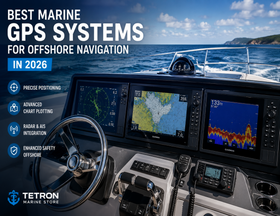
Best Marine GPS Systems for Offshore Navigation in 2026
Offshore navigation requires reliable equipment that can perform in demanding marine environments. Whether operating a commercial vessel, fishing boat, offshore support craft, or recreational yacht, a dependable marine GPS system is essential for safety, route planning, and accurate positioning.
Modern marine GPS systems now include advanced chart plotting, AIS integration, radar compatibility, sonar support, and real-time navigation intelligence designed to improve operational efficiency on the water.
Why a Marine GPS System Matters
A quality marine GPS system helps vessel operators:
- Navigate safely offshore
- Avoid hazardous areas
- Track precise vessel positions
- Plan routes efficiently
- Improve fuel management
- Enhance emergency response capabilities
For offshore operations, reliability is critical. Marine electronics must withstand saltwater exposure, vibration, harsh weather conditions, and continuous operation.
Key Features to Look For
When selecting a marine GPS system, consider the following features:
High-Resolution Display
Bright sunlight-readable displays improve visibility during daytime navigation and harsh marine conditions.
Integrated Chartplotter
Built-in chart plotting allows mariners to visualize routes, waypoints, depth contours, and hazards in real time.
AIS Compatibility
Automatic Identification System (AIS) integration improves vessel awareness and collision avoidance offshore.
Radar Integration
Radar compatibility provides enhanced navigation support during poor visibility or nighttime operations.
Sonar and Fishfinder Support
Fishing and offshore operators benefit from integrated sonar systems for underwater imaging and depth monitoring.
Weather and Route Updates
Some advanced systems provide weather overlays, route optimization, and offshore forecasting capabilities.
Best Marine GPS Systems for 2026
Garmin GPSMAP Series
Garmin remains one of the most trusted names in marine electronics. The GPSMAP series offers advanced chart plotting, radar integration, and exceptional offshore reliability.
Simrad NSS and NSO Series
Simrad systems are widely used in commercial and offshore marine operations for their advanced navigation features and touchscreen interfaces.
Raymarine Axiom Series
Raymarine systems combine excellent sonar technology with powerful navigation and chart management features.
Furuno TZtouch Series
Furuno equipment is known for professional-grade reliability and offshore performance in demanding marine environments.
Installation Tips
To maximize performance:
- Install antennas away from interference sources
- Update software regularly
- Use marine-grade power connections
- Ensure waterproof mounting
- Back up navigation data routinely
Final Thoughts
Investing in a high-quality marine GPS system improves navigation safety, operational efficiency, and offshore confidence. Modern systems now integrate multiple technologies into a single platform, making navigation smarter and more reliable than ever before.
At Tetron Marine Store, we supply professional marine electronics and navigation equipment designed for commercial and recreational marine operations.
2. Essential Marine Safety Equipment Every Vessel Should Carry
Marine safety equipment plays a critical role in protecting crew members, passengers, and vessels during emergencies at sea. Whether operating offshore, nearshore, or inland waters, every vessel should be properly equipped with reliable marine safety gear.
Proper safety preparation not only improves compliance with maritime regulations but also increases survival and emergency response capabilities during unexpected situations.
Why Marine Safety Equipment Matters
Emergencies on the water can happen quickly due to weather changes, mechanical failures, fire hazards, collisions, or man-overboard incidents.
Proper safety equipment helps vessel operators:
- Improve onboard safety
- Reduce emergency risks
- Meet regulatory requirements
- Enhance emergency response
- Protect lives and property
Essential Marine Safety Equipment
Life Jackets and PFDs
Every vessel should carry properly fitted and approved life jackets for all passengers and crew members. Personal flotation devices should be easily accessible and regularly inspected.
EPIRBs and PLBs
Emergency Position Indicating Radio Beacons (EPIRBs) and Personal Locator Beacons (PLBs) transmit emergency distress signals and GPS coordinates to rescue authorities.
These devices are essential for offshore and commercial operations.
Marine Fire Extinguishers
Marine-rated fire extinguishers should be strategically located onboard and regularly inspected for pressure and expiration dates.
Flares and Distress Signals
Visual distress signals help rescuers locate vessels during emergencies. Keep marine flares stored in waterproof containers and replace expired units promptly.
First Aid Kits
A marine first aid kit should include:
- Bandages
- Antiseptics
- Pain relievers
- Seasickness medication
- Burn treatment supplies
- Emergency trauma items
Bilge Pumps
Automatic and manual bilge pumps help remove water from the vessel during flooding or rough conditions.
Marine VHF Radio
Reliable communication equipment is essential offshore. Marine VHF radios provide emergency communication capabilities and access to weather alerts.
Safety Equipment Maintenance Tips
Marine safety gear should be inspected regularly to ensure proper operation.
Recommended Maintenance Checklist
- Inspect life jackets for damage
- Test emergency radios
- Replace expired flares
- Verify fire extinguisher pressure
- Check battery-powered devices
- Test bilge pumps regularly
Final Thoughts
Reliable marine safety equipment can make the difference between a manageable emergency and a life-threatening situation. Vessel owners should prioritize quality, reliability, and routine inspection of all onboard safety systems.
Tetron Marine Store supplies trusted marine safety equipment designed for offshore, commercial, and recreational marine operations.
3. How to Choose the Right Marine Radar System
Marine radar systems are essential navigation tools that improve vessel awareness, collision avoidance, and operational safety during low visibility conditions.
Modern radar technology allows vessel operators to detect nearby vessels, land masses, weather formations, and navigation hazards even in darkness, rain, or fog.
Why Marine Radar Is Important
Radar improves marine navigation safety by helping operators:
- Detect nearby traffic
- Navigate during poor visibility
- Monitor approaching weather
- Improve offshore situational awareness
- Reduce collision risks
Commercial operators, offshore vessels, and recreational boaters all benefit from reliable radar systems.
Types of Marine Radar Systems
Pulse Radar
Pulse radar systems transmit bursts of radio energy and detect reflected signals. They are widely used and cost-effective for general marine navigation.
CHIRP Radar
CHIRP radar provides enhanced target separation, better image clarity, and improved close-range detection.
Solid-State Radar
Solid-state radar systems offer:
- Faster startup times
- Lower power consumption
- Improved target tracking
- Reduced maintenance requirements
Key Features to Consider
Radar Range
Choose radar range based on your operating environment and vessel type.
Display Integration
Modern radar systems integrate with chartplotters and multifunction displays for improved navigation efficiency.
Target Tracking
Advanced radar systems provide automatic target tracking and collision alerts.
Weather Monitoring
Radar can help identify storm systems and heavy precipitation offshore.
Installation Best Practices
- Mount radar units at proper elevation
- Avoid signal obstruction
- Use marine-grade cabling
- Ensure waterproof connections
- Follow manufacturer guidelines carefully
Final Thoughts
Marine radar systems significantly improve navigation safety and offshore awareness. Investing in a reliable radar solution enhances vessel operations in challenging weather and visibility conditions.
Tetron Marine Store supplies professional marine radar systems and marine electronics for commercial and recreational vessels.